Guide
12 Projection Mapping Ideas for Home, Parties and Shop Windows
The projection mapping you see online is on cathedrals and stadiums. The projection mapping you can do tonight is on a cardboard box — and it is the same thing, at a size where it is fun instead of a profession.
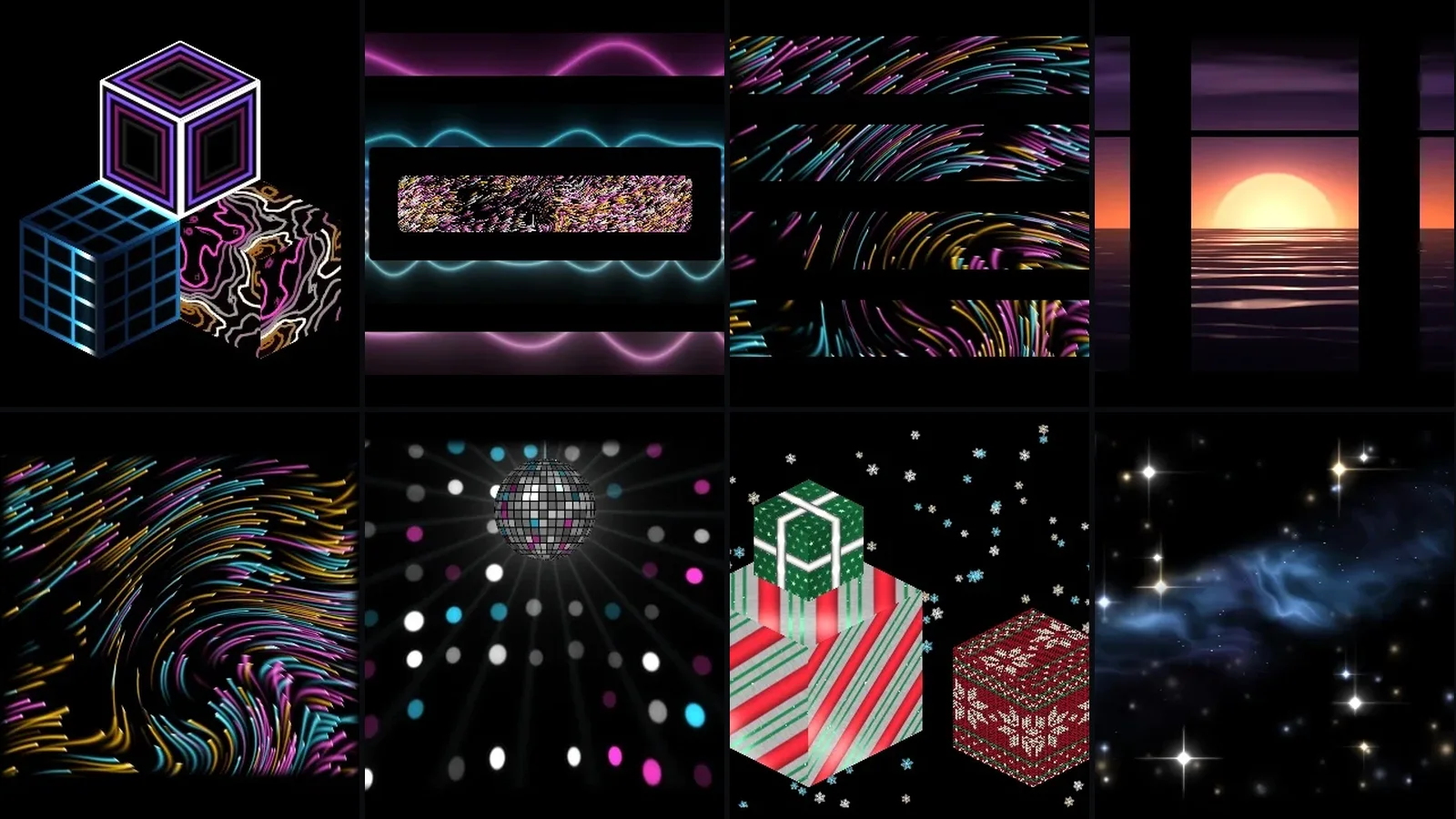
Here are twelve ideas, in rough order of difficulty. All but the last two need only one small projector, a phone and a darkened room. Each says what to light, what to put on it, and what to watch for. The pictures are examples from SoloLight, our projection mapping app for iPhone, where each of these is a ready-made show you can open and fit to your own things.
New to all this? Start with what projection mapping is, or go straight to the step-by-step guide with an iPhone.
1. A stack of boxes
Difficulty: easy. The classic first project, and still one of the best looking.
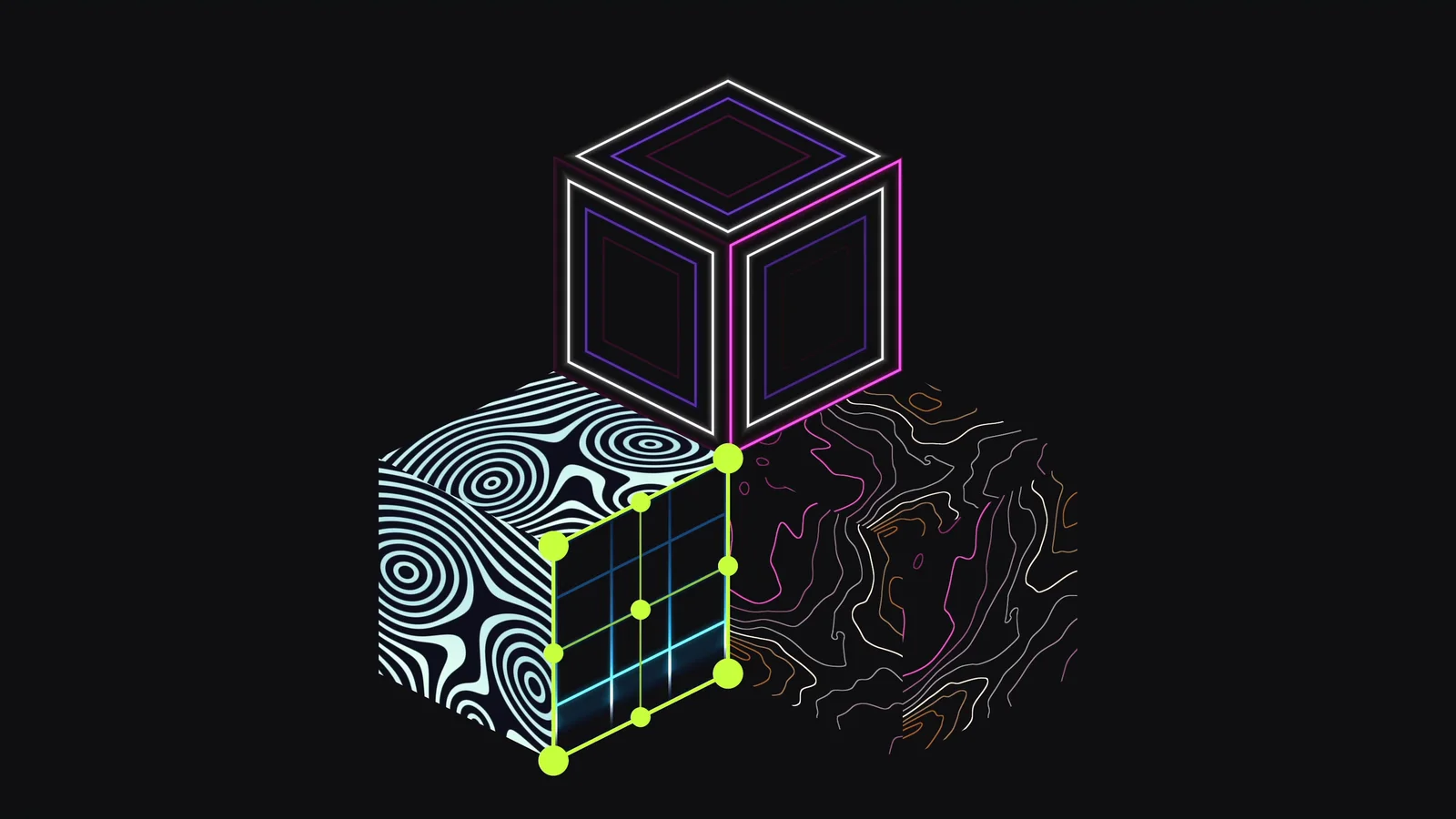
Stack two or three pale cardboard boxes at slightly different angles, so the projector sees two or three faces of each. Give every face its own pattern. Because each face is flat, it needs only four corners; because the faces meet at real edges, the result looks solid in a way no flat screen can.
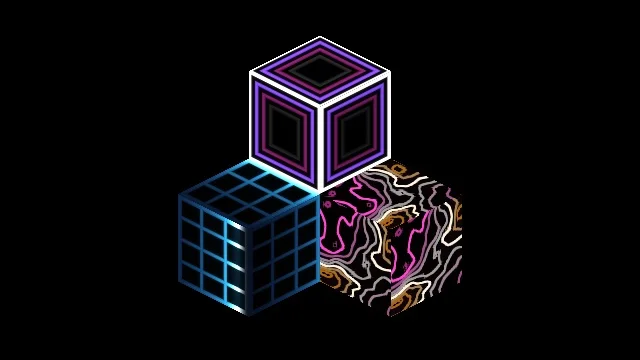
Watch for: glossy tape and printed logos. Turn those faces away, or cover them with white paper.
2. Picture frames
Difficulty: easy. Light inside the frames, dark wall between them.
Any frames will do, with or without pictures in them. A frame holding plain white paper becomes a small screen; a frame with a print in it gets light and colour moving over the image. Fit one shape to each frame and leave the wall alone.
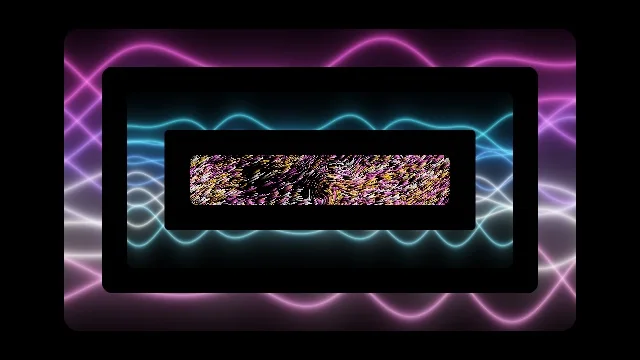
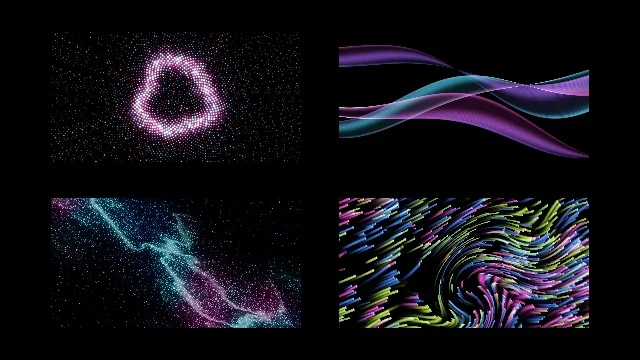
Watch for: glass. It reflects the projector back into the room. Take it out, or stand the projector to one side.
3. A shelf
Difficulty: easy. A shelf is a set of rectangles that somebody has already built for you.
Light each compartment with a different colour, or run one flowing pattern through all of them so it appears to pass behind the uprights. Books, plants and objects on the shelves catch the light and throw small shadows, which is part of the charm.
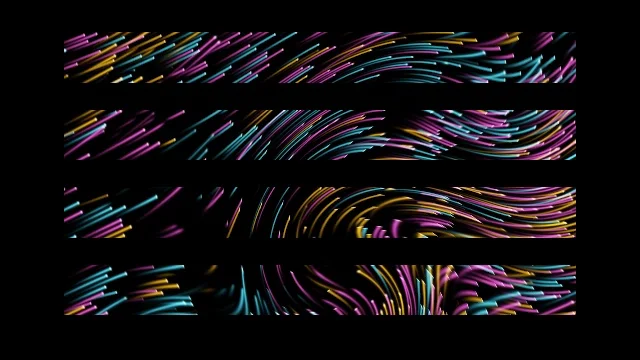
Watch for: depth. Fit the light to the front edges of the shelf, not the back wall.
4. A window that was not there
Difficulty: easy. One tall rectangle on a bare wall, with something far away inside it.
A sunset over the sea, clouds going past, rain. From across the room, a wall with a view. Three narrow rectangles side by side make it a picture window.
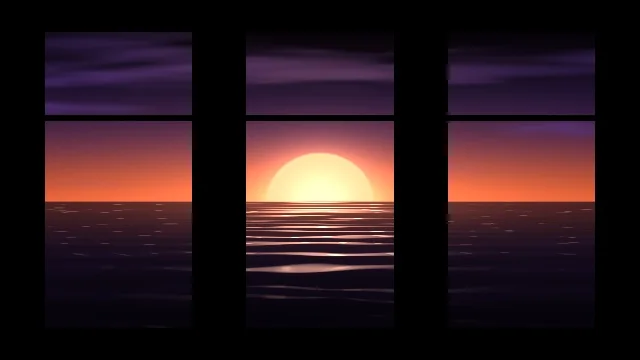
Watch for: proportions. A window that is taller than it is wide, at window height, is believed at once. A wide one near the floor is a television.
5. The wall behind the bed
Difficulty: easy. A slow sky for the end of the day.
Stars, drifting embers, wandering points of light — on the wall behind the bed or on the ceiling above it. This is the one idea on the list where the whole picture is used, so keep it dim and keep it slow.
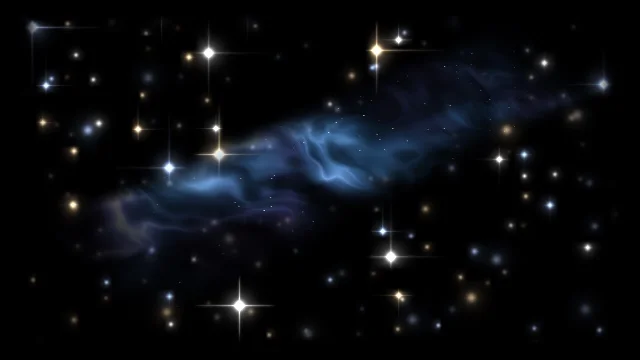
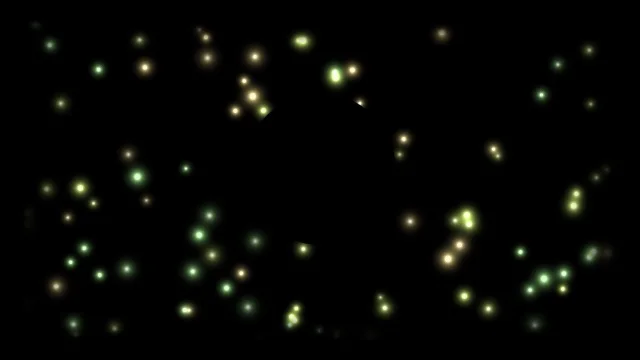
Watch for: the projector's fan. In a silent bedroom you will hear it; put it as far from the pillow as its throw allows.
6. A lamp that is not a lamp
Difficulty: easy. A single small object, glowing by itself.
A white vase, a paper lantern, a plaster bust, a big bottle. Fit one shape to it and give it something that moves slowly: lava, smoke, a drifting gradient. In a dark room it reads as an object lit from inside.
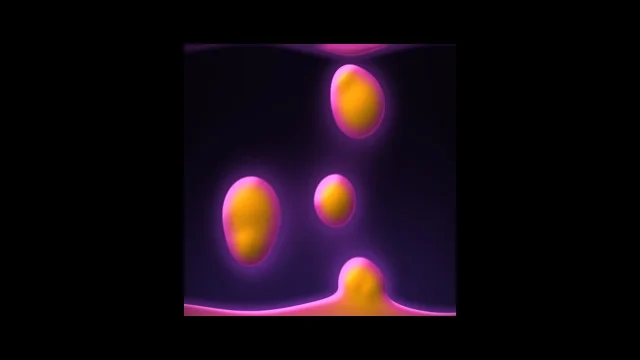
Watch for: curves. A round object needs a few mesh points so the picture bends with it.
7. Particles on your furniture
Difficulty: medium. Sparks that know where your shelves are.
Map a few ledges — shelves, a mantelpiece, the top of a picture frame — and let particles fall from above. They land on the ledges, bounce, and fall on to the next. People watch this for longer than they expect to.
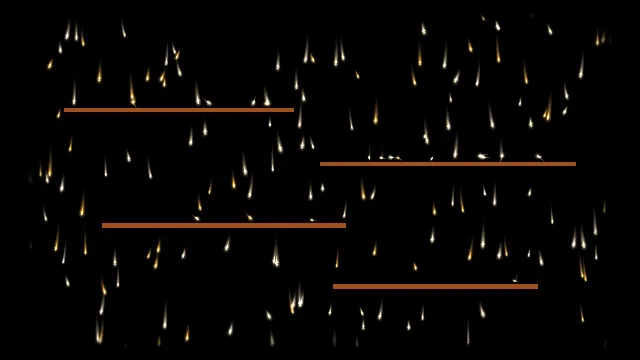
Watch for: alignment. The effect depends on the sparks landing exactly on the real edge, so take care with the corners.
8. A party wall
Difficulty: medium. A dance floor of light behind the speakers, and a mirror ball without the ball.
Pick the wall people will dance in front of. Give it one large moving pattern, with a column of light at each side, and it becomes a stage. Or scatter moving dots of light across the whole room.
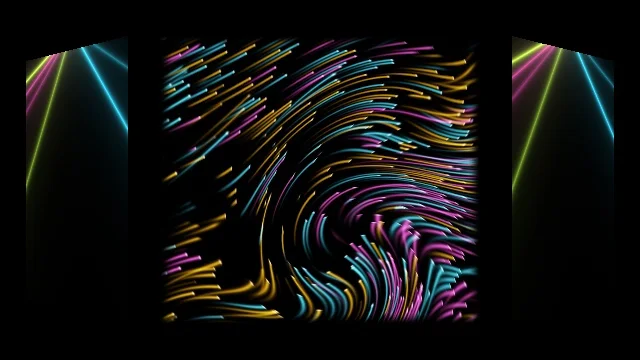
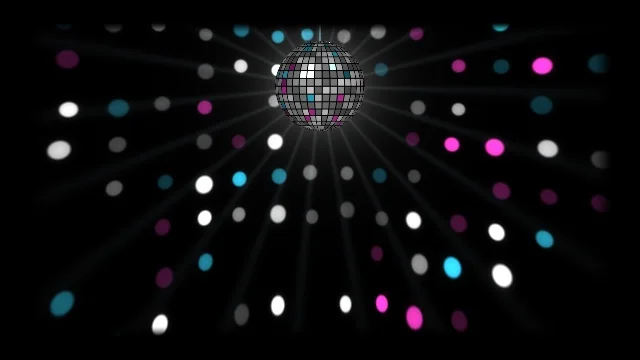
Watch for: where people stand. Put the projector high — on a shelf or a tall tripod — so the dancers do not walk through the beam.
9. A shop window
Difficulty: medium. One product on a plinth, wrapped in light that stops at its edges.
Shop windows are dark at night and looked at by people with time on their hands. Map the product itself, or the plinth under it, or a row of boxes behind it. Slow loops work best: the same passer-by will see it for five seconds, and it should look good in any five.
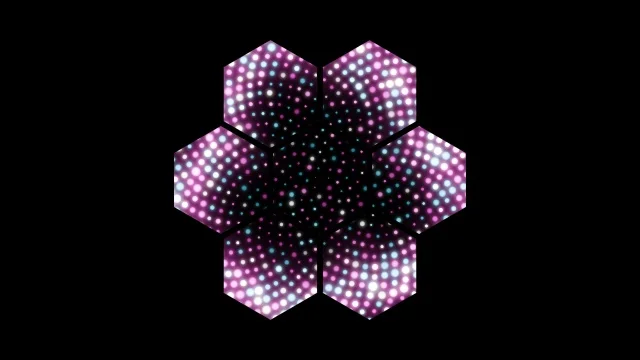
Watch for: the street's own light, and reflections in the glass. Test from outside, at the hour it will be seen.
10. Christmas and Halloween
Difficulty: medium. Windows, doors, trees and presents, dressed for one night.
A stack of real boxes becomes wrapped presents. The frames on the wall get fairy lights and falling snow. A door becomes something with eyes. Seasonal mapping forgives a lot, because everyone is on your side.
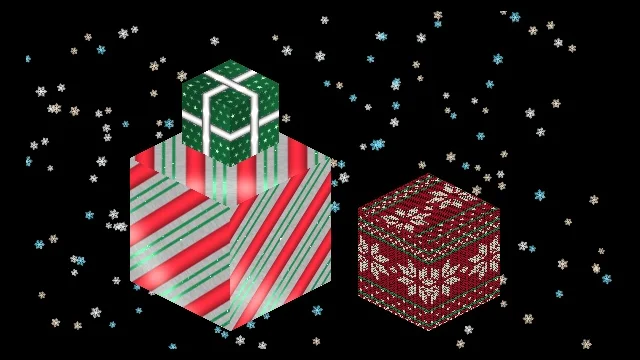
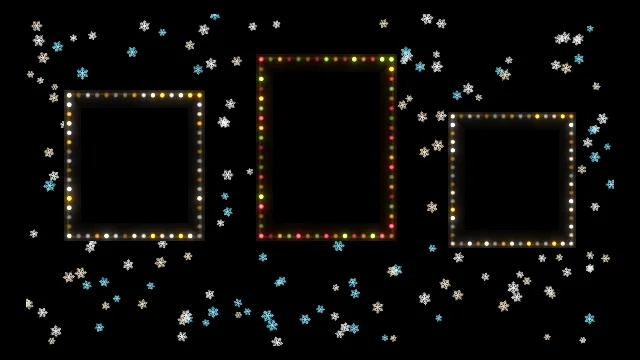
Watch for: outdoors. Projectors do not like damp or cold: keep yours inside, shining out through a window, or under cover.
11. A whole wall that moves
Difficulty: ambitious. The two classics of large mapping: a wall of blocks that breathes, and a wall that breaks apart.
Both work because they keep the wall's own shape and then deny it. A flat wall appears to be made of blocks sliding in and out, or cracks and falls into darkness. This needs the whole picture, so it needs a brighter projector and a darker room than anything above.
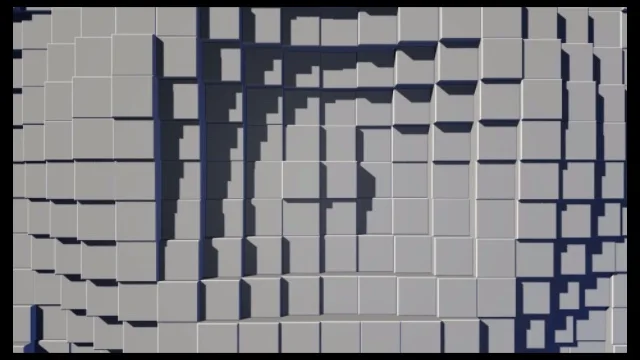
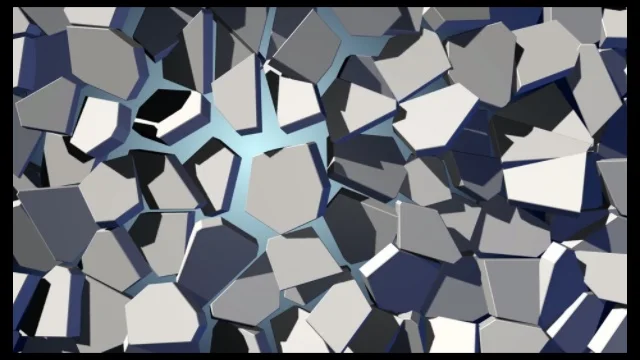
Watch for: the edges. Fit the picture to the wall's real corners, skirting board and ceiling line. If it stops exactly where the wall stops, the illusion holds.
12. The front of a house
Difficulty: ambitious. The one everybody thinks of first, best left until last.
A house front is the same job as a stack of boxes: every window, the door and each plane of wall is one shape with four corners. What changes is the scale. You need a projector of several thousand lumens, a steady place for it across the garden, a full night's darkness, and patience.
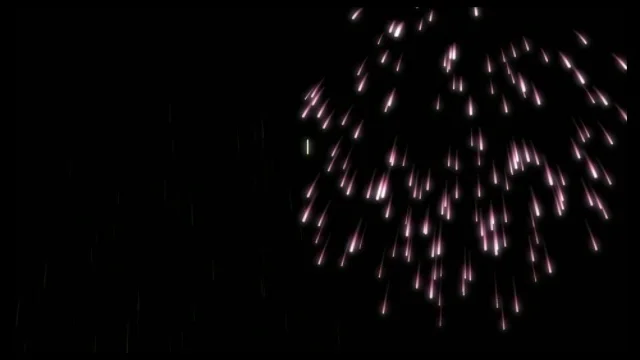
Watch for: the neighbours, and the road. Do not aim light at traffic, tell the people next door, and stop at a reasonable hour. There is more on brightness for large pictures in how to choose a projector.
What all twelve have in common
- They light things, not walls. The object's own shape is the frame.
- They keep most of the picture black. In a dark room, black is invisible, and what is left seems to glow by itself.
- They move slowly. Slow light makes an object look alive. Fast light makes it look like a screen.
- They are built one object at a time. Corners, mask, content; then the next one.
Pick the one nearest to something you already own, and try it this evening.
Questions people ask
What can I use projection mapping for at home?
Lighting things you already have: frames, shelves, boxes, a door, a window, the wall behind a sofa or a bed, and decorations for parties and holidays.
What is the easiest projection mapping project?
A stack of pale cardboard boxes on a table. Their faces are flat, so each needs only four corners, and they are small enough for any projector.
Do I need special content?
No. Slow moving patterns on black work best, and a mapping app draws them live. Your own photos and videos work too.
How bright a projector do I need?
For everything up to idea 10, a small one, in a dark room. A whole wall or a house needs more: see how to choose a projector.